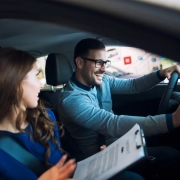

Teen Driving Lessons in Santa Clara: Complete Parent and Teen Training Checklist

Let’s be honest: the day you hand your car keys to your teenager is one of the most terrifying moments of parenthood.

We’ve been in the driving education industry for over 20 years, and we’ve seen that look on every parent’s face. It’s a messy cocktail of pride (“Look at them, they’re growing up!”) and sheer, unadulterated panic (“They’re about to pilot a 3,000 pound metal missile!”).

If you live here in Santa Clara, that panic is entirely justified. We aren’t driving in a sleepy Midwestern town. Between the rush hour crush on Lawrence Expressway, the confusing construction zones that pop up overnight, and the aggressive merging required on the 101, learning to drive in the Bay Area is a trial by fire.

But here’s the good news, you don’t have to do it alone. At AAA Car Driving School, we’ve helped thousands of families to navigate this milestone without losing their cool (or their insurance premiums).

To help you through the process, here’s the checklist. This isn’t just the dry DMV requirements, it’s the real world, “We’ve seen it all” guide to turning your nervous teen into a confident, safe driver on our local roads.


Phase 1: The Legal Must Haves (Boring but Critical Stuff)

Before we even get to the fun part (driving), California has some strict rules. The Graduated Driver Licensing (GDL) program isn’t just bureaucratic red tape, it’s actually designed to keep kids safe by introducing risk gradually.

  1. The Permit: Your teen needs to be at least 15½ years old. They have to pass the written knowledge test at the DMV.

Pro tip: The Santa Clara DMV on Flora Vista Ave usually has a line wrapping around the building. Make an appointment, or bring a very comfortable folding chair.

  1. Professional Training: You are required to sign them up for 6 hours of professional behind the wheel training with a licensed instructor. You literally cannot validate their permit until the instructor signs it. (That’s where we come in)
  2. The Practice Hours: This is the big one. You, the parent, need to log 50 hours of supervised driving, 10 of which must be at night.
  3. The Wait: They must hold their permit for at least 6 months before taking the road test. Use this time wisely.


Phase 2: The Parking Lot Stage (0 to 5 Hours)

Goal: Learning the car without hitting anything.

Do not, I repeat, do not take your teen onto El Camino Real for their first drive. You want a wide and open space where mistakes are harmless.

  • The Setup: Spend 20 minutes just sitting in the driveway. Adjust the mirrors, the seat, and the steering wheel. Explain what every button does before the car is moving. If they ask where the hazard lights are while doing 40mph, it’s too late.
  • The Creep: Practice letting go of the brake and letting the car roll forward without touching the gas. It teaches them how powerful the engine idle is.
  • Steering: Do figure eights. Explain “hand over hand” steering. They will want to shuffle the wheel but don’t let them.
  • Braking: Have them accelerate to 10 mph and brake smoothly to a stop at a specific line. New drivers treat the brake pedal like an on/off switch, teach them it’s a dimmer switch.
  • Santa Clara Local Tip: The industrial parks near Great America or the tech campuses off Tasman Drive are often ghost towns on Sunday mornings. They are perfect for this stage. No traffic, huge lanes, and zero pressure.


Phase 3: Quiet Neighborhoods (5 to 15 Hours)

Goal: Signs, signals, and scanning.

Once they aren’t jerking the wheel or slamming the brakes, move to a quiet residential area.

  • The Rolling Stop Trap: This is the #1 reason teens fail their test. Teach them to feel the kickback of the car when it fully stops. If the nose doesn’t dip and settle, they don’t stop. Count to three: “One Mississippi, Two Mississippi…”
  • Scanning: Teach them the Left-Right-Left scan before entering any intersection. New drivers get tunnel vision, they stare at the bumper in front of them. You need to train their eyes to move.
  • Lane Position: New drivers tend to hug the right side because they are scared of oncoming traffic on the left. Help them center the car. Pick a reference point on the hood to line up with the road.
  • Turn Signals: Make it muscle memory. Signal 100 feet before the turn, not during the turn.


Phase 4: Real Traffic & The 101 (15 to 40 Hours)

Goal: Speed management and merging.

This is where the gray hairs start for parents. But if you’ve done the first two phases patiently, they are ready.

  • Lawrence Expressway & San Tomas: These are essentially highways with traffic lights. They are great for practicing higher speeds (45 to 50 mph) while still dealing with intersections. Watch out for the long yellow lights, teens often struggle with the “should I stop or go?” decision here.
  • Merging: This is terrifying for teens. They need to learn to get up to speed on the ramp, not after they merge. If traffic is doing 65, they need to be doing 65 by the time they reach the merge point.
  • Lane Changes: Teach the acronym SMOG: Signal, Mirror, Over the shoulder, G That “Over the shoulder” check is non-negotiable.
  • Defensive Driving: Drive down a busy street and ask them, “What is that driver on the right doing?” Train them to predict bad behavior. If they see a car drifting in its lane, teach them to back off.


Phase 5: The “Polish” & Night Driving (40 to 50 Hours)

Goal: Independence.

  • Night Driving: Everything looks different at night. Depth perception is worse, and glare is real. Do they already know your 10 required hours on routes
  • Parking: Parallel parking is on the test, but backing into a stall is a life skill. Go to a busy grocery store parking lot (maybe avoid Costco on a Saturday though) and practice parking between lines.
  • Mock Test: Pretend you are the DMV examiner. Sit in the passenger seat with a clipboard. Give directions (Turn left at the next light) and grade them silently. No coaching allowed!


Why Parents in Santa Clara Choose AAA Car Driving School

Look, checking off those 50 hours is hard work. It strains the parent and teen relationship. Sometimes, teenagers just listen better to a professional than they do to Mom or Dad. When you say “Slow down,” it’s nagging. When we say it, it’s instruction.

That’s why our Teen 6 Hours Behind the Wheel Program is so popular.

  • We Come to You: We pick up and drop off at your home, school, or work. You’re busy and we get it.
  • Safety First: Our cars aren’t just regular sedans. They are equipped with dual controls, blind spot detection, and lane assist. We can stop the car if your teen makes a mistake. You can’t do that from the passenger seat of your minivan.
  • Confidence, Not Fear: Our philosophy is 100 percent confidence build-up. We don’t yell. We don’t panic. We are patient, friendly, and DMV licensed (License #E0609).
  • The Gap Strategy: We often recommend spacing the lessons out. Lesson 1 gets them started. You practice for a month. Lesson 2 corrects the bad habits they picked up. Lesson 3 preps them for the test.


The Parent and Teen Contract

Before you start, sign a contract. It sounds formal, but it sets the ground rules so you aren’t arguing at 40mph.

  • No Cell Phones: Period. Not even for maps. Put it in the glovebox.
  • Passenger Limit: California law says no passengers under 20 for the first 12 months (unless a parent is there). Enforce this. Peer pressure is the biggest distraction.
  • Curfew: No driving between 11 PM and 5 AM for the first year.

Learning to drive is a journey, not a race. If you need help getting started, or if you want a professional to handle the scary parts like freeway merging, give us a call at AAA Car Driving School. Let’s get your teen on the road, safe and sound.

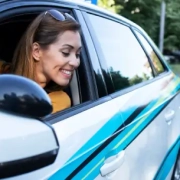
 

Adult Driving Lessons in Santa Clara for Nervous & First Time Drivers

If the thought of sitting behind the steering wheel makes your palms sweat and your heart do that anxious little flutter, you are not alone.

We’ve been in this industry for two decades, and if there is one thing we’ve learned, it’s that learning to drive as an adult is a completely different ballgame than learning as a teenager. When you’re 16, you feel invincible. When you’re 30, 40, or 50, you understand the consequences. You know that cars are heavy, insurance is expensive, and Santa Clara traffic well, it can be a beast.

But here is the good news: That anxiety? It actually makes you a safer driver in the long run. You just need the right guidance to turn that nervousness into caution and that fear into confidence. That’s exactly what we do here at AAA Car Driving School.

Whether you are a first-time driver who never got around to getting a license, or you have one but haven’t driven in years, this guide is for you. Let’s talk about how adult driving lessons in Santa Clara can change your life, minus the stress.


Why Learning as an Adult Feels So Different

There is a unique stigma attached to being an adult non-driver in the USA. We live in a car-centric culture, especially here in California. If you don’t drive, you feel stranded. You rely on Uber, the VTA bus schedule, or the kindness of friends to get to work or pick up groceries.

When you finally decide to take the plunge, the pressure feels enormous. You might feel like you should already know how to do this. We’ve had students come to us in their 40s, embarrassed because they are sitting in a “student driver” car.

Let us tell you what we tell them: Drop the shame.

Life happens. Maybe you grew up in a city like New York where you didn’t need a car. Maybe you were in a fender bender years ago that shook your confidence. Or maybe, you just never had someone patient enough to teach you.

That is where professional driving lessons for adults come into play. Unlike asking your spouse or your best friend to teach you (which, let’s face it, usually ends in an argument in a Target parking lot), a professional instructor is a neutral, calm presence.


The “Nervous Driver” Specialist Approach

At AAA Car Driving School, we specialize in nervous driver training. This is a pedagogical approach.

Teaching a nervous driver requires a totally different toolkit than teaching an eager teen. Here is how we handle it:

  1. We Start in the Safe Zone: We aren’t going to throw you onto the 101 or navigate the busy intersections of El Camino Real on your first day. No way. We start in empty parking lots or quiet residential streets in Santa Clara. We let you get a feel for the car, how sensitive the brakes are, how much you need to turn the wheel to get into a spot. We build a foundation of safety before we ever introduce the chaos of other drivers.
  2. Dual Control Safety: One of the biggest fears for new drivers is, “What if I lose control?” Our vehicles are equipped with dual-control brakes. This means that as your instructor, we have your back, literally. If you panic and freeze, we can stop the car safely. Knowing this safety net exists often lowers a student’s anxiety levels by about 50% instantly.
  3. Psychology Meets Mechanics: Driving is 10% mechanical and 90% mental. Nervous driver training is largely about managing your internal monologue. We teach you to breathe through the stress. We teach you how to scan the road so you aren’t surprised by a cyclist or a jaywalker. When you know what to look for, the road stops looking like a chaotic mess and starts looking like a predictable system.


Why Santa Clara is the Perfect Classroom

Driving in Santa Clara offers a unique mix of conditions that actually makes for great learning only if you have the right teacher.

You have the wide, multi-lane boulevards that are perfect for learning lane changes and merging. You have the quiet neighborhoods near Central Park where we can practice parallel parking until you can do it in your sleep. And eventually, yes, we have the freeways.

But we tackle these environments at your pace.

We remember a student we had last year, let’s call her Linda. Linda was 42 and had just moved to the Bay Area for a tech job. She was terrified of the highways. She had taken adult driving lessons in Santa Clara elsewhere, but the instructor pushed her too fast, and she quit.

When she came to AAA Car Driving School, we spent the first three lessons just driving on surface streets. We talked about merging theory while parked. We visualized it. When she finally merged onto the freeway for the first time, she was so prepared that she didn’t even realize she had done the “scary part” until we were already cruising at 65 mph. She cried happy tears when we parked that day. That is why we do.


What to Expect in Your First Lesson

If you are considering booking a lesson but the “unknown” is stopping you, let us walk you through exactly what happens.

  1. The Meet & Greet: We come to you. Whether you are at home, work, or a coffee shop, we pick you up. No pressure to drive immediately.
  2. The Cockpit Drill: We spend time adjusting the seat, the mirrors, and the steering wheel. If you aren’t comfortable physically, you won’t be comfortable mentally.
  3. The “Why”: We explain why you are doing things. We don’t just say turn left or turn right. We explain how to position the car, when to signal, and where to look.
  4. The Drive: We drive. Slowly. We practice starts, stops, and smooth turns.
  5. The Debrief: We talk about what went well. We focus on the positives. If you made a mistake, we view it as a learning data point, not a failure.


Age is Just a Number on the Road

A common question we get is, “Am I too old to learn?”

Absolutely not. In fact, adults are often better students than teens because they are more focused. You aren’t trying to text your friends while driving. You are there to learn a skill.

Driving lessons for adults are structured to respect your time and your intelligence. We know you have a busy life. That’s why we offer flexible scheduling (mornings, evenings, weekends). We want to fit into your life, not disrupt it.


Tips for the Anxious Driver From a Pro

While you are waiting for your first lesson, here are a few things you can do to lower that anxiety:

  • Sit in the driver’s seat of a parked car. Just sit there. Put your hands on the wheel. Look in the mirrors. Normalize the view.
  • Narrate your rides. When you are a passenger in an Uber or with a friend, watch what they do. Narrate it in your head: “They are signaling now. They are checking the blind spot. They are slowing down for the yellow light.” It keeps your brain engaged in the process.
  • Trust the process. You don’t need to be a Formula 1 driver. You just need to be safe. Safe is boring, and boring is good.


Ready to Take the Wheel?

Look, we know that picking up the phone to book that first lesson is the hardest part. The driving itself? That gets easier with every mile. But making the decision to conquer your fear? That takes real bravery.

At AAA Car Driving School, we have helped thousands of people just like you. We help you get from Point A to Point B with a smile on your face or at least, without a panic attack.

If you are looking for adult driving lessons in Santa Clara, or if you need specialized nervous driver training, give us a call. Let’s get you independent. Let’s get you on the road.

You’ve got this. And until you fully believe that, we’ve got you.

Visit us at: https://aaacardrivingschool.com/ Location: Santa Clara, USA

Santa Clara Driving Lessons : Step by Step Guide from California Permit to License

If you’re reading this, you’re probably standing at the start of an exciting (and maybe a little nerve wracking) journey, getting behind the wheel in sunny Santa Clara, California. Maybe you’re a teenager, maybe an adult wanting their first license.

Welcome!

This is your friendly guide from learner’s permit to driver’s license. Consider this your roadmap through the streets of bureaucracy, lessons, nerves, and eventually freedom.

Whether you found us searching for Santa Clara driving lessons or Bay Area driving school, read on. We got you.


Step 1: Understand the Legal Starting Point (The Instruction Permit)

First thing’s first: In California, you can’t just hop in the driver’s seat alone and go. You have to begin with a provisional instruction permit also known as a learner’s permit.

Here’s what getting that permit typically involves:

  • If you’re under 18, you must be at least 15½ to apply.
  • If under 18: you need to have completed or at least started a state approved driver education (driver ed) program.
  • For the permit application you’ll fill out the official form (DL 44), have a parent or guardian sign for minors, and bring documentation of identity, residency and if applicable Social Security number.
  • You’ll also need to pass a vision test, and a knowledge test on traffic laws, signs, and rules based on the official California Department of Motor Vehicles (DMV) handbook.

Once you pass, boom, you’ll hold the permit. But that’s only the beginning. With that permit, you can start to get real behind the wheel experience, but only under supervision. We’ll get to that soon.

If you’re 18 or older, the rules are a bit simpler: you can apply for the permit without the driver ed certificate.


Step 2: Enroll in Driving Lessons with a Bay Area Driving School

Here’s where a good driving school becomes your best friend. Under California’s rules, especially for teen drivers, you’re expected to complete a professional behind the wheel driver training in addition to driver ed before you can take the driving test.

A quality Bay Area driving school, like AAA Car Driving, can:

  • Provide certified driving instructors with proper instructor-ID as required by the DMV.
  • Guide you through practical driving as opposed to just classroom knowledge. Because even if you ace the written test, driving in real traffic is different.
  • Help you build confidence before you walk into a DMV test.

If you’re a teen: you’ll want to schedule a behind the wheel course, usually amounting to at least 6 hours of instruction with a licensed instructor.

Between lessons, you’ll practice with a licensed adult, often a parent or guardian, gradually building up real world driving experience.


Step 3: Practice, Practice, Practice, Build Confidence and Safety

Having a permit is one thing. Actually driving even with supervision is a whole different experience.

California expects learner drivers that are under 18 to get significant supervised driving practice before the actual driving test: 50 hours total, 10 hours of which should be at night.

Why? Because, being comfortable during daylight is one thing, but handling a car at night, dealing with headlights, pedestrians, reduced visibility, and surprise hazards requires real experience.

So, here’s what you should do:

  • Work with a licensed adult who is 25 or above, who has a valid CA driver license.
  • Vary your practice: residential streets, busy roads, highways and maybe some side streets in Santa Clara.
  • Practice night driving. Get used to headlights, dim street lights, and nighttime traffic flow.
  • Stay calm, stay focused. Mistakes? Sure, but each one helps you learn.

Think of these sessions as your personal training ground. The road is your classroom, and every mile counts.


Step 4: When You’re Ready Take the Driving Test (Behind the Wheel Exam at DMV)

Once you’ve completed your lessons and practice, hold your permit for the required time (for teens: at least 6 months), and feel ready, it’s time to schedule your driving test.

Here’s what to know about the test at a typical DMV office for many in Santa Clara, that’s the Santa Clara DMV Field Office at 3665 Flora Vista Ave.

What the test involves:

  • Pre drive Safety Check: The examiner first checks whether your vehicle meets safety standards, whether you know how to operate basic controls, windows, signals, etc.
  • Driving Performance Evaluation (DPE): Then comes the actual road test drive with the examiner, following traffic laws, handling intersections, lane changes, parking, etc.

Pro tip: make sure the car you bring to the test is safe, fully functional (lights, signals, brakes), and in good condition, you don’t want a minor fault to cause failure.

Also, schedule early. DMV tests can fill up fast, especially near busy periods.


Step 5: What Happens Next (Provisional License & Driving Rules)

Congratulations! If you pass the test, you don’t instantly get a full, no strings license. In California, what you get first if under 18 is a provisional license.

That means there are some restrictions for the first 12 months:

  • No driving between 11 p.m. and 5 a.m. unless there are exceptions like medical needs or work/school related driving with documentation.
  • No passengers under 20 years old unless a licensed adult 25+ rides along.
  • Zero alcohol tolerance when driving, and you can’t operate a vehicle requiring a commercial license.

These rules might feel restrictive but they are there to help new drivers gradually grow into confident, safe drivers.

After you hold the provisional license for a year and/or turn 18, most restrictions go away and you get your full California driver license.


Step 6: Why Choosing a Local Bay Area Driving School (Like AAA Car Driving) Makes Sense

You might wonder: Why can’t I just practice with a friend or family? You can, and many people do. But here’s why a licensed driving school can really make the difference:

  • Certified instructors: They know what the DMV test expects, they can coach you on proper technique, safety habits, confidence under pressure.
  • Structured lessons: Rather than random driving sessions, you get progressive lessons from basics to advanced maneuvers, from parking to freeway driving.
  • Familiarity with local roads: Schools in the Bay Area understand common DMV test routes, tricky intersections, local traffic patterns and can prepare you for them.
  • Peace of mind for parents/guardians: If you’re a teen, knowing you have professional guidance rather than just winging, reduces stress and improves safety.

At a local driving school like ours, you’re not just another number. We aim to know you, your pace, your comfort level and help you reach your license goal with confidence.


Common Questions & Friendly Advice

Q: How many times can I take the written permit test if I fail?

You usually get at least three attempts within a 12-month period.
If you fail all attempts, you may need to reapply with a new fee, so it’s worth preparing well.

Q: What if I’m over 18 and never drove before?

The process is simpler: you don’t necessarily need driver ed, you can apply directly for the instruction permit, pass the vision and knowledge tests, and then proceed to supervised driving or professional lessons.

Q: How do I prepare for the written knowledge test?

Use the official California Driver’s Handbook as your guide. Many people find flashcards useful for memorizing road signs, traffic laws, and scenarios. Small steps reviewing as a passenger, quizzing a friend make a big difference.

Q: What kind of car should I bring to the driving test?

Anything legal and roadworthy but make sure it passes basic safety inspection: working signals, windows, mirrors, brakes, tires. Before you go: check lights, signals, brakes, don’t leave it to chance. Examiners may fail you for vehicle issues, even if your driving is fine.

Q: What if I’m nervous about the test?

That’s totally normal. Driving is a big milestone. Take deep breaths, practice often, drive plenty. A driving instructor can help coach you if many of their students pass on their first try just by building confidence in familiar surroundings.


Final Thoughts: Your Road to Freedom Starts Here

Getting a driver’s license, especially the first one, is more than just a test. It’s a rite of passage. It’s freedom, independence, the ability to explore Santa Clara and beyond on your own terms. It’s a milestone.

But that milestone isn’t a race.

Take your time. Start with your instruction permit. Learn the laws. Take lessons. Practice with care. Build your confidence bit by bit, mile by mile.

If you’re in the Bay Area and looking for a driving school that treats you like a person, not a number and cares about safe, confident driving for life, we at AAA Car Driving are here to help. We’ll walk the journey with you.

Got questions about our courses, pricing, or want to book a first lesson? Just reach out. We’d love to help you get on the road, and into your future.

Here’s to clear roads, safe turns, and smooth driving ahead. See you behind the wheel.

Driving School Santa Clara: How to Choose the Best Instructor for Your First Lesson

Picking your first driving teacher might be almost as scary as the thought of getting behind the wheel. Your hands are already a little sweaty, you’re thinking about Santa Clara traffic, and on top of that, you’re looking at a huge list of “driving school Santa Clara” search results and trying to figure out who to believe.

If that’s you right now, take a breath. You’re not alone, and you’re not supposed to magically know what makes a good instructor. That’s what this guide is for.

In this blog, we’ll tell you how to choose the best driving instructor in Santa Clara for your very first lesson, what to look for in a local driving school near me, and how AAA Car Driving School in Santa Clara fits into that picture as a DMV licensed, student focused school.

Why Your First Driving Lesson Matters So Much

Your first proper lesson is more than just learning the basics. It often shapes:

  • How confident you feel behind the wheel
  • How quickly you learn
  • Whether you end up loving driving or dreading it

A patient teacher can help you feel calm and confident before your first lesson. The wrong teacher, on the other hand, can make you feel rushed, yell at you, or make you feel dumb for not knowing things yet.

That’s why it’s worth taking a little time to choose carefully, especially here in Santa Clara, where traffic patterns, busy arterials and freeway driving are all part of everyday life.

Step 1: Look for Proper Licensing and Safety

Before you think about personality or teaching style, make sure the basics are covered.

1. DMV Licensed School and Instructors

In California, any legit driving school and instructor should be licensed by the DMV. AAA Car Driving School, for example, is DMV licensed (License #E0609) and fully insured, with certified instructors who are trained to work with nervous beginners and returning drivers alike.

When you’re evaluating options, check:

  • Is the driving school Santa Clara you’re looking at clearly listing their DMV license?
  • Are they transparent about who their instructors are?

If you can’t easily find this info, that’s a red flag.

2. Modern, Dual Control Vehicles

For beginner driving lessons, the car itself makes a huge difference. You want:

  • Dual brake, and often dual control systems so your instructor can step in instantly.
  • Modern safety features like backup cameras and blind spot alerts.
  • Well maintained cars (no mystery warning lights, no squeaky brakes).

AAA Car Driving School uses modern, safety equipped vehicles with dual controls and advanced safety technology, exactly what you want in those early lessons when your feet and hands are still learning to work together.

Step 2: Focus on the Human Behind the Wheel (Your Instructor)

Once safety and licensing are checked off, the question becomes: Is this someone you’ll feel comfortable learning from?

Here’s what defines the best driving instructor Santa Clara for most first time learners.

1. Patient, Calm, and Clear

You’re going to make a lot of mistakes. The right instructor:

  • Explains things in simple language.
  • Doesn’t raise their voice when you stall, brake late, or forget a signal.
  • Gives you time to process, ask questions, and try again.

If an instructor seems rushed or dismissive during your first phone call or message, that attitude usually doesn’t get better in the car.

2. Good at Explaining the “Why,” Not Just the “What”

Anyone can say, “Turn left, check mirrors, stop here.” A great instructor teaches you:

  • Why do we check mirrors in a specific order?
  • Why are certain Santa Clara intersections tricky?
  • Why is that lane safer than the other one during rush hour?

Understanding the “why” helps you remember and react on your own once you’re driving without an instructor.

3. Experience with Beginners and Nervous Drivers

Teaching experienced drivers a few freeway tips is one thing. Teaching someone who has never driven before is another.

When you contact a driving school Santa Clara, ask:

  • “How often do you work with absolute beginners?”
  • “How do you handle students who are really nervous?”

Schools like AAA Car Driving School specifically design beginner driving lessons around building confidence step by step, starting in quieter streets, then gradually working up to busier roads and freeway practice when you’re ready.

Step 3: Local Knowledge of Santa Clara Roads

Typing “local driving school near me” into your phone is usually the first step but local really does matter.

Why Local Matters for Your First Lesson

A good local instructor:

  • Knows which Santa Clara neighborhoods are best for very first drives
  • Understands local traffic flows near places like Great America, main arterials, and busy intersections
  • Is familiar with nearby DMV test routes in Santa Clara and San Jose

AAA Car Driving School, for example, serves Santa Clara, San Jose, Sunnyvale and surrounding Bay Area cities, and their instructors train students on the same kinds of roads you’ll drive on every day including common DMV test areas.

This local knowledge helps you:

  • Feel more prepared for the actual road test.
  • Get comfortable in real world conditions, not just quiet side streets.

Step 4: Practical Questions to Ask Before You Book

Here’s a quick checklist you can literally keep on your phone when you start calling or messaging schools.

1. What does a typical first lesson look like?

For beginner driving lessons, you want to hear something like:

  • Start with a quick safety and controls overview.
  • Begin driving in a quiet area (residential or low-traffic).
  • Practice basic moves: starting, stopping smoothly, turning, lane position.
  • Gentle, encouraging feedback throughout.

If they say, “We’ll get you straight on the freeway in the first 10 minutes,” that might be too much, too soon.

2. Do you offer one-on-one lessons?

Your first few lessons should be one-to-one, just you and the instructor, so you can:

  • Ask “silly” questions freely.
  • Go at your own pace.
  • Get feedback tailored to your strengths and weaknesses.

AAA Car Driving School offers exclusive one-to-one behind the wheel lessons with DMV licensed instructors, which is ideal for beginners.

  1. Can you pick me up and drop me off?

A local driving school near me should make the logistics easy, not stressful. Many Santa Clara students are juggling school, work, or family commitments.

AAA Car Driving School provides pickup and drop off within Santa Clara and nearby areas like home, school, or work, so you can fit lessons into your actual life.


Step 5: Watch Out for These Red Flags

Just as there are signs of a great instructor, there are also warning signs you shouldn’t ignore:

  1. No clear pricing
    • Hidden fees for car use or test day support.
    • Confusing packages with unclear terms.
  2. No proof of licensing or insurance
    • When you ask about DMV permission, you get vague replies.
    • No mention of license numbers or proper coverage.
  3. Negative, impatient tone
    • Dismiss your questions.
    • Gets annoyed when you ask about scheduling or beginner level topics.
  4. Overpromising results
    • “We’ll definitely get you to pass in exactly two lessons.”
    • “Don’t worry about rules, we’ll just teach you how to pass the test.”

You deserve an instructor who wants to create a safe, confident driver, not just a quick test pass.

Step 6: What to Expect from Your First Lesson with AAA Car Driving School

If you’re considering AAA Car Driving School in Santa Clara for your first lesson, here’s what that experience typically looks like, based on how the school structures its programs and services.

1. A Warm, Simple Start

Your instructor will usually:

  • Meet you at your chosen pickup spot in Santa Clara or nearby.
  • Make a quick introduction so you feel comfortable.
  • Ask about your experience level and any worries you have.

This is your chance to say things like, “I’ve never driven before,” or “Freeways freak me out.” They’ve heard it all before, and it helps them tailor the lesson.

2. Getting to Know the Car

Before moving, you’ll go over:

  • Seat and mirror adjustment
  • Basic controls (indicators, wipers, lights, gears if applicable)
  • Pedals and how to use them smoothly

Because AAA uses modern vehicles with features like backup cameras and blind-spot alerts, you’ll also be shown how those systems work in real life, not just in theory.

3. First Moves in a Calm Area

You won’t be thrown into heavy Santa Clara traffic on day one. In a typical beginner driving lesson, you might:

  • Start in a quieter neighborhood or lower traffic road.
  • Practice moving off, stopping, and steering.
  • Learn how much pressure to apply to the pedals.
  • Begin simple turns and lane positioning.

Before and during the maneuver, your teacher will explain you through each step out loud.

4. Supportive, Real Time Feedback

Instead of waiting until the end to tell you what went wrong, a good instructor:

  • Gently correct you as you drive (“Let’s slow a bit earlier next time”).
  • Praise the things you’re doing right.
  • Check in on how you’re feeling (“Do you want to try that again, or move on?”).

AAA Car Driving School’s one-to-one format makes this kind of personalized coaching normal for every lesson.

5. A Clear Plan for Your Next Lessons

By the end of the session, you should have:

  • A sense of what you did well
  • A short list of what to practice next time
  • An idea of when you’ll move on to more complex driving (busier roads, freeway, parking, etc.)

If you’re working toward your DMV test, your instructor can also explain how their DMV test preparation and mock tests fit into your learning path, so you know there’s a clear route from “total beginner” to “road-test ready.”

Step 7: Matching Your Lessons to Your Life

Everyone’s life looks different in Santa Clara. Some students are:

  • Teens juggling school and activities.
  • College students without a car on campus.
  • Working adults who’ve put off learning to drive.
  • New arrivals from other countries adapting to California rules.

A good driving school Santa Clara will adjust to that reality. At AAA Car Driving School, you’ll find:

  • Flexible scheduling (mornings, evenings, weekends).
  • Different lesson packages – single sessions, beginner bundles, DMV prep.
  • Programs for teens and adults, including refresher and confidence boost courses.

That flexibility is especially helpful when you’re searching “local driving school near me” not just for convenience, but because you truly need lessons that fit around a busy or unpredictable schedule.

Final Thoughts: Give Yourself Permission to Be a Beginner

The most important thing about learning to drive is remembering that it’s completely okay to be a beginner.

You’re allowed to:

  • Be nervous before your first lesson
  • Ask your instructor to repeat something
  • Take a moment to breathe after a tricky maneuver
  • Learn at your own pace

Choosing the best driving instructor in Santa Clara isn’t about finding someone who makes you feel instantly perfect. It’s about finding someone who makes you feel safe, heard, and supported while you’re imperfect.

If you’re in or around Santa Clara and ready to take that first step, AAA Car Driving School is here with DMV licensed instructors, modern dual control vehicles, and one-to-one beginner driving lessons built around your comfort and your future on the road.

When you’re ready, you can:

  • Book your first lesson online
  • Call +1 650-444-9774
  • Or get in touch through the contact details at 3150 Kenneth St, Santa Clara, CA 95054, United States

Your first drive doesn’t have to be scary. With the right instructor, it can actually be something you look back on and think, “That wasn’t so bad, I can do this.”

How to Prepare for Your First DMV Driving Test

How to Prepare for Your First DMV Driving Test (Tips from Santa Clara & San Jose’s Trusted Instructors)

The first time you take the DMV driving exam is one of those huge life events, like your first job interview or graduation day. It’s a mix of nerves, excitement, and expectation. You’ve studied, learned the rules, and put in the time, but as the day of the test gets closer, you start to get apprehensive.

The good news? You’re not the only one who feels this way, and getting ready for your DMV driving exam doesn’t have to be hard. You can stroll into the DMV parking lot feeling confident, relaxed, and ready to pass on your first try if you have a clear plan and the right attitude.

We’ll provide you recommendations from qualified teachers at AAA Car Driving School in Santa Clara and San Jose, who have helped hundreds of students pass the DMV test. You’ll learn what the test is like, what common mistakes people make, and helpful techniques to feel more sure of yourself when you’re behind the wheel.

Step 1: Know What the DMV Driving Test Really Measures

First things first, the DMV test is not trying to trick you.

It’s not about being a “perfect driver”; it’s about being a safe one.

The aim of your examiner is to make sure you can drive safely, independently, and with confidence. What they will pay attention to is:

  • Controlling the Vehicle: Starting and stopping smoothly, steering accurately, and using mirrors effectively.
  • Awareness and Observation: Being aware of what’s going on around you, checking your mirrors all the time, and identifying dangers early.
  • Compliance with rules: Following the rules involves stopping completely, signaling correctly, maintaining within the speed limit, and using the right lane.
  • Decision-Making: Choosing safe distances, yielding correctly, and driving through intersections without thinking are all parts of making judgments.
  • Composure: Staying calm even when things don’t go as planned is what composure signifies.

You’re already halfway to passing if you can prove that you’re focused, observant, and consistent.

Step 2: Learn the Structure of the Test

Knowing how the DMV test is set up can help you avoid surprises.

Here is what usually happens during a road test at the California DMV:

  1. Before you drive, check the car

The person giving you the test will want to see that you know how to do basic safety items like turn on the headlights, utilize the turn signals, honk the horn, and set the emergency brake. This process makes sure that the car is safe to drive.

  1. Basic driving skills

You will start in the parking area of the DMV and then go to streets nearby. You should be able to make right and left turns, change lanes, stop, and back up. The examiner watches how you drive and how you tell them what you want to do.

  1. Getting around in traffic

You will have to cope with traffic signals, crosswalks, and lane merges on the test route. The examiner wants to see defensive driving, which is thinking ahead instead of reacting.

  1. Parking

Some tests may include parallel parking, three-point turns, or parking on a hill (particularly in mountainous places like San Jose). Do these over and over until you can do them easily and with confidence.

Step 3: Create a 3-Week DMV Prep Plan

AAA’s teachers in Santa Clara and San Jose suggest this simple, stress-free timeline.

Week 1: Lay the Groundwork

  • Focus on the Basics: Practice steering, braking, speeding up, and turning.
  • Practice in Quiet Areas: Early sessions are best in residential areas.
  • Develop a Mirror Routine: Check your mirrors every 5–7 seconds. Try saying it out loud—“Mirror, signal, shoulder, go”—until it becomes second nature.
  • Study the DMV Handbook: It’s free and available online. Even experienced drivers get tripped up by right-of-way and stop sign rules.

Week 2: Strengthen Decision-Making

  • Move to Busier Streets: Practice merging and changing lanes on routes with a lot of traffic, such Meridian Ave in San Jose or Stevens Creek Blvd in Santa Clara.
  • Time Your Gaps: Learn how to tell when it’s safe to turn or combine.
  • Simulate Exam Scenarios: Ask your teacher to set up DMV exam settings, including fake scoring.

Week 3: Polish and Perfect

  • Freeway Practice: Learn how to merge correctly, stay in your lane, and exit safely.
  • Defensive Driving Focus: Stay calm when you have to stop suddenly or when a person crosses your path.
  • Mock Exam Drive: Take a full-length practice exam in your region, preferably close to the DMV where you will be taking the real test.
  • Sleep Well and Eat Light: Get enough sleep and eat light. A clear mind works better when driving.

Step 4: Know the Common Mistakes (and How to Fix Them)

Every teacher has seen pupils lose points for tiny mistakes that could have been avoided. Here’s how to stay away from them:

California pauses or rolling stops

Fix: Always come to a full stop before the white limit line. Say “one Mississippi” before you go.

Not following lane rules

Fix: Stay in the middle of the road. Use your mirrors and reference points, especially as you turn.

Not checking blind spots

Fix: When you look over your shoulder, make your head movements clear. The examiner can’t assign points for something they can’t see.

Not moving at green lights or when merging

Fix: Having faith is crucial.  Go ahead and perform it without stopping if it’s your turn and it’s safe.

Going too slowly

Fix: Stay within the speed limit and match the flow of traffic. You can get in trouble for driving well below the limit.

Not signaling or signaling too late

Fix: Give a signal at least 100 feet before you change lanes or turn. Always look in your mirrors and blind spots first.

Step 5: Prepare Your Vehicle (If You’re Not Using a School Car)

Before the test starts, your car must pass a quick safety inspection If the car fails, the test won’t happen. Make sure:

  • All lights (headlights, brake, signal) work.
  • The horn sounds clearly.
  • Windshield wipers function.
  • The parking brake holds properly.
  • Tires are inflated and not worn out.
  • The windshield is clean and crack-free.
  • Seat belts are available and functional.

A lot of students want to use their driving school’s dual-control automobile since it takes the tension out of worrying about the car’s condition. If you’re worried about your own automobile, AAA Automobile Driving School has DMV-approved, insured cars for test day.


Step 6: The Morning of the Test

Arrive Early

Get to the DMV 15 to 20 minutes early. This is a good time to relax, stretch, and go over things in your head quickly.

Bring Your Essentials

  • Permit for learners
  • Proof of registration and insurance (if you drive your own automobile)
  • If you need them, glasses or contact lenses
  • Driving log (if the teen drivers need one)
  • A water bottle—you’ll be glad you did!

Check Your Mindset

It’s normal to be worried. To relax, try deep breathing or talking to your teacher or parent in a calm way. Keep in mind that the person giving the test isn’t trying to fail you; they just need to make sure you’re safe.


Step 7: During the DMV Test – Drive Smart, Not Scared

  1. Listen Carefully

When the examiner tells you what to do, say thank you in a respectful way. It’s okay to ask if you didn’t hear or understand:

“Could you say that again?”

That shows you are calm and responsible.

  1. Keep It Smooth

Don’t move in jerks. Accelerate and brake gently. A smooth control gives the sense of confidence.

  1. Be Obvious About Safety Checks

When you look in mirrors or dark places, turn your head clearly. Examiners look for movement that can be seen.

  1. Handle Mistakes Gracefully

Don’t ever panic, if you make a minor error. Continue driving calmly. Correct yourself smoothly and move on—recovering well can earn you positive marks.

  1. Stay Alert

Watch out for pedestrians, cyclists, and sudden lane changes by others. Defensive driving matters most.

Step 8: Local Information for Test Routes in Santa Clara and San Jose

There are some strange things about driving in the Bay Area. Our local teachers suggest these specific areas for practice:

Santa Clara Advice

  • El Camino Real and Kiely Blvd are busy intersections with several lanes, which is perfect for practicing turns.
  • Residential areas close to Homestead Rd are great for teaching people how to use stop signs and keep their speed down (25 mph zones).
  • Lawrence Expressway – learn how to merge and stay in your lane.

Advice for San Jose

  • Capitol Expressway and Tully Road: More cars on the road. Practice merging and scanning.
  • Grid Streets Downtown: Great for learning how to navigate one-way streets and be careful of pedestrians.
  • Hilly neighborhoods: Great for practicing parking on hills and in valleys.

Getting used to how traffic works in the real world will help you on exam day, because nothing beats being familiar with something.

Step 9: Do a Final Practice with an Instructor

Professional instructors know exactly what DMV examiners look for. A single practice test with feedback might show you little habits that cost you points, such as not making complete stops, not checking your mirrors consistently, or changing lanes in a weird way.

AAA Car Driving School offers practice DMV examinations based on the routes you will take in Santa Clara, San Jose, and the neighboring areas. Students often report that these sessions help them feel more prepared for the real test because they’ve already done the same things in a real-life scenario.

Step 10: Common Questions Before the Test


Q: What if I don’t pass the first time?

That’s fine! A lot of brilliant drivers don’t pass the first time. The most important thing is to learn from what others say and set up another test very far away, while your memory is still fresh.

Q: Should I take lessons even if I already know how to drive?

Yes—especially if you learned outside the U.S. California’s DMV has specific test expectations that may differ from what you’re used to.

Q: Do I need to parallel park in the California DMV test?

Some locations do, some don’t. However, it’s smart to practice it thoroughly since it sharpens your spatial awareness.

Q: How long does the test last?

Most of the time, it’s 15 to 20 minutes. Because you’ll be focused on following directions and driving the car, it can seem shorter.

Step 11: After the Test—What Happens Next

The examiner will look over your score sheet when you get back to the DMV parking lot. They will tell you if you passed and why points were taken off.

  • If you pass, you’ll get a temporary license that day and your real one will come in the mail. Good job!
  • If not, you’ll get a lot of feedback. Use it as a guide for your next try; most students pass the second time once they know what to expect.

Extra Tips for Building Long-Term Confidence

The test is only the first step. With time and practice, you will become more confident behind the wheel.

Here’s how to keep getting better:

  • Drive in new environments: You get used to things when you drive in new places, like on freeways, at night, and in diverse weather.
  • Review your habits monthly: Check your habits every month. Old habits can come back, so be mindful of yourself.
  • Take an advanced driving course: Defensive or freeway driving classes can help you get discounts on your insurance and make you feel more confident.
  • Stay updated with the rules: Traffic regulations in California change all the time, especially when it comes to electric automobiles and other new technologies.

Final Thoughts: You’ve Got This

The driving test at the DMV isn’t a fight; it’s a big step. Every turn, signal, and full stop shows that you’ve worked hard to be a responsible driver.

Be proud that you’re joining millions of experienced and safe California drivers who share the road every day. You can definitely pass on your first try if you prepare well, stay calm, and do a few practice runs near your local DMV.

AAA Car Driving School has been helping people acquire their licenses in Santa Clara and San Jose for years. They offer trained teachers, cars with two controls, flexible schedules, and lesson plans that are made just for each kid to help them do well.

Take a deep breath, trust all you’ve learned, and picture yourself leaving the DMV with a smile and your temporary license in your hand.

Call Now

Are you ready to take your DMV driving exam with confidence?

Call AAA Car Driving School today to schedule your mock driving test or private session. To set up your lesson in Santa Clara or San Jose, go to AAA Car Driving School.

Let’s get you on the road safely, with confidence, and with a lifetime license.